
Knowledge base
Research peptide guides for Australian laboratories
Clear, research-focused explainers — how peptides are positioned in Australia, how to evaluate a supplier, how to read a Certificate of Analysis, and overviews of the compounds we supply. Information for researchers, not medical advice.
Retatrutide in Australia: A Research Overview
What retatrutide is, why it is of growing interest in laboratory research, and what Australian researchers should look for when sourcing it.
Read the overview →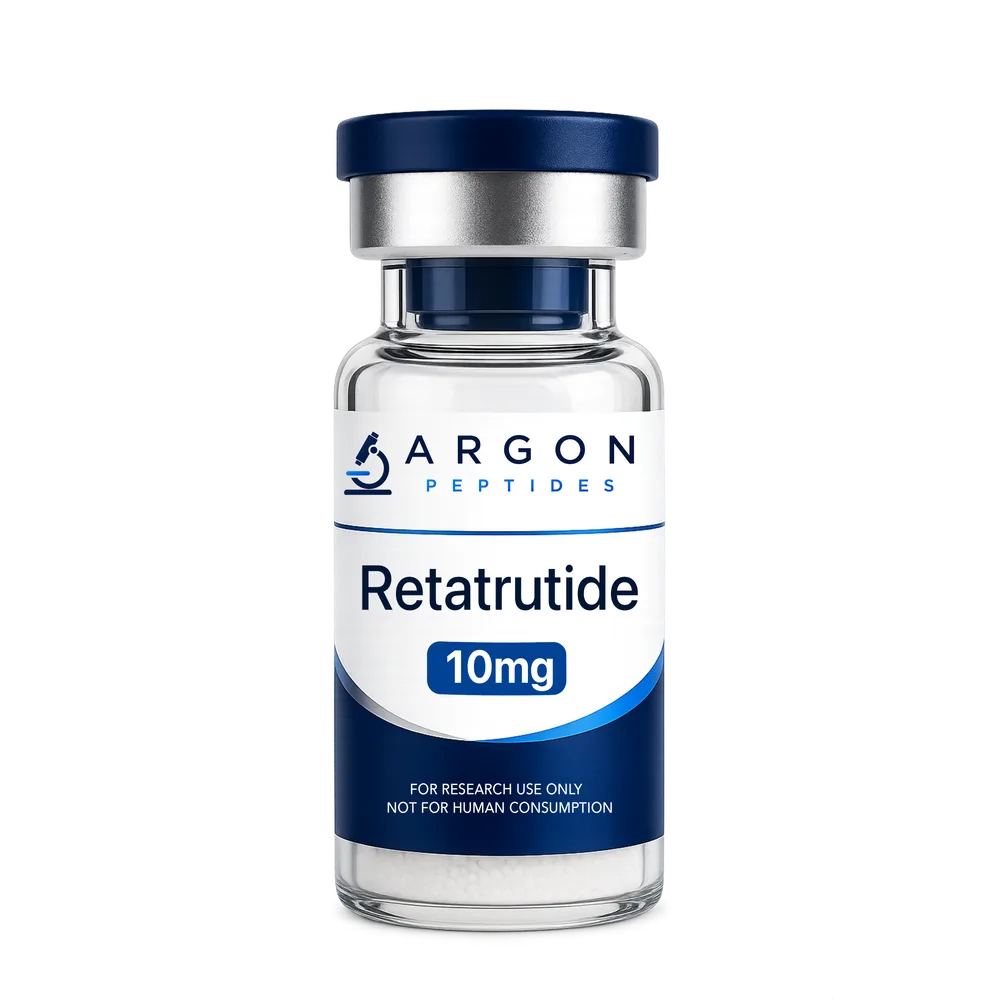
Are Peptides Legal in Australia?
A plain-English explainer on how research peptides are positioned in Australia and what "research use only" actually means.
Read →Is BPC-157 Legal in Australia?
Where BPC-157 sits as a research compound in Australia and what research-use-only supply involves.
Read →How to Choose a Research Peptide Supplier in Australia
The checklist serious researchers use to separate a credible research supplier from a storefront — COA transparency above all.
Read →How to Read a Peptide Certificate of Analysis (COA)
A short guide to what a Certificate of Analysis actually tells you — and what to check before you trust a vial.
Read →TB-500 in Australia: A Research Overview
What TB-500 is, why it is studied in laboratory research, and what to look for when sourcing it in Australia.
Read →GHK-Cu in Australia: A Research Overview
What GHK-Cu (the copper tripeptide) is, why it is studied, and what to look for when sourcing it in Australia.
Read →BPC-157 in Australia: A Research Overview
What BPC-157 is, why it is studied in laboratory research, and what to look for when sourcing it in Australia.
Read →How to Reconstitute Lyophilised Research Peptides
A clear laboratory guide to reconstituting lyophilised research peptides — what you need, the steps, and storage.
Read →Semaglutide in Australia: A Research Overview
What semaglutide is as a research compound, why its GLP-1 receptor pharmacology is studied, and what to look for when sourcing it in Australia.
Read →Where to Buy Research Peptides in Australia
A practical guide to deciding where to buy research peptides in Australia — what separates a verifiable research supplier from a storefront.
Read →Is Retatrutide Legal in Australia?
Where retatrutide sits as a research compound in Australia and what research-use-only supply involves.
Read →Prescription Peptides vs Research Peptides in Australia
How prescription therapeutic goods differ from research-use-only compounds in Australia — explained neutrally for researchers.
Read →How to Store and Handle Research Peptides
How to store and handle research peptides in the laboratory — lyophilised versus reconstituted, cold chain, and shelf considerations.
Read →BPC-157 vs TB-500: A Research Compound Comparison
How BPC-157 and TB-500 differ as research compounds — by structure, molecular targets, and how each is investigated in the laboratory.
Read →What Is Bacteriostatic Water? A Laboratory Guide
What bacteriostatic water is, how it differs from sterile water, and why it is the standard solvent for reconstituting lyophilised research peptides.
Read →What Is HPLC Purity Testing for Research Peptides?
How HPLC and LC-MS testing work, what a purity percentage really tells you, and why independent testing underpins research reproducibility.
Read →Melanotan 2 in Australia: A Research Overview
What Melanotan 2 is, why its melanocortin-receptor pharmacology is studied in laboratory research, and what to look for when sourcing it in Australia.
Read →MOTS-c in Australia: A Research Overview
What MOTS-c is, why this mitochondrial-derived peptide is studied in laboratory research, and what to look for when sourcing it in Australia.
Read →